
Fermentation-Derived Salidroside vs. Botanical Extraction
Why Does the Production Route Matter?
When sourcing salidroside, buyers may encounter products associated with different manufacturing approaches, including botanical extraction and fermentation-based production.
The production route matters because it can influence raw material sourcing, process control, manufacturing consistency, documentation, and supply-chain considerations.
However, the production method alone does not establish product quality. Buyers should evaluate the finished ingredient using verified specifications and analytical documentation.
1. Botanical Extraction: Starting from Plant Material
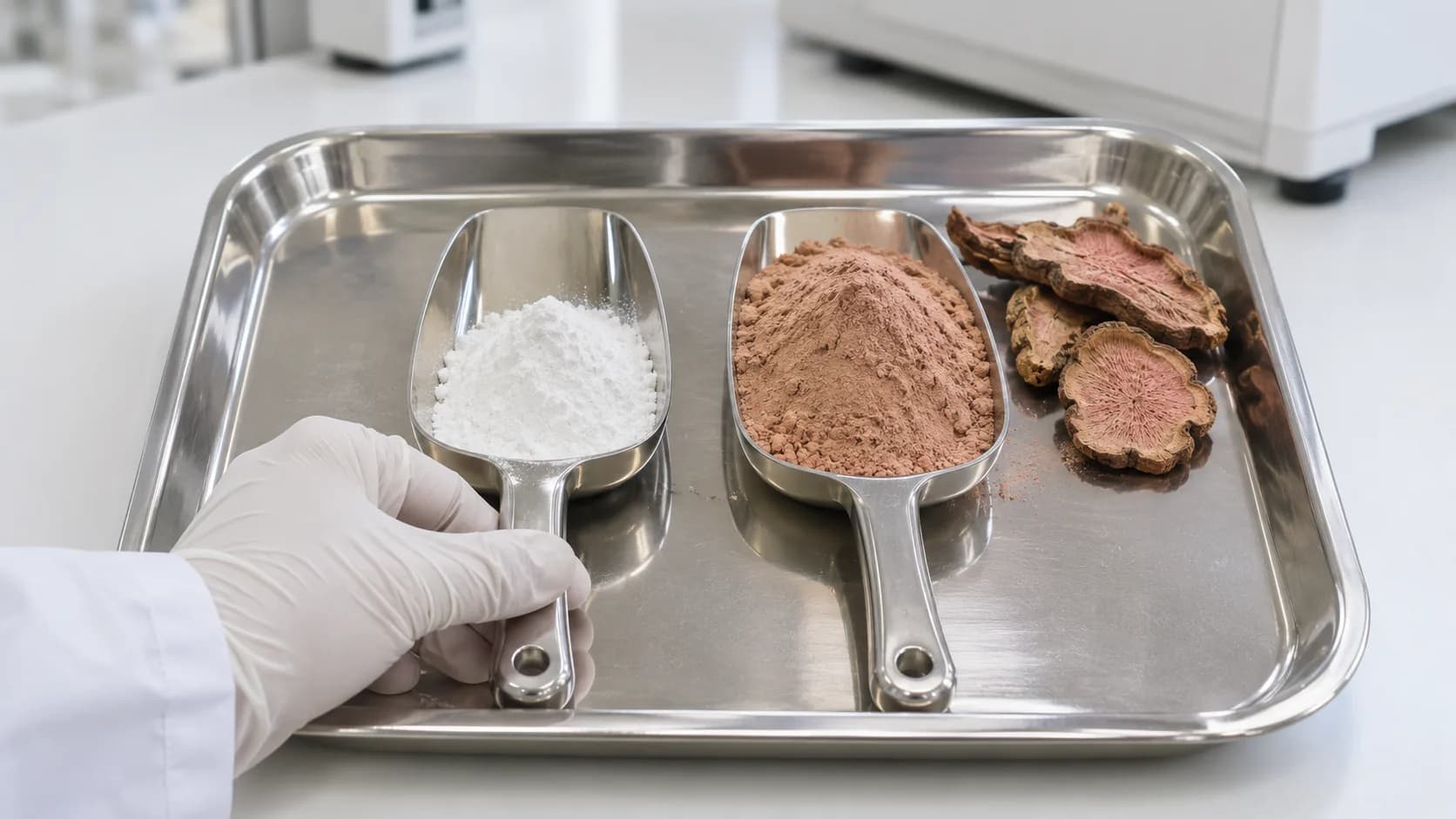
Botanical extraction uses plant material as the starting point.
For Rhodiola-related ingredients, the source plant and plant part are important considerations. Natural raw materials may vary in composition due to factors such as growing conditions, harvest practices, and raw material handling.
When evaluating a botanically sourced salidroside ingredient, buyers should ask about:
- Botanical source and plant part
- Raw material identification
- Extraction and purification information
- Batch-to-batch consistency controls
- Analytical methods and finished-product specifications
A clear description of the starting material and manufacturing process helps buyers understand what they are purchasing.
2. Fermentation-Based Production: A Different Manufacturing Approach
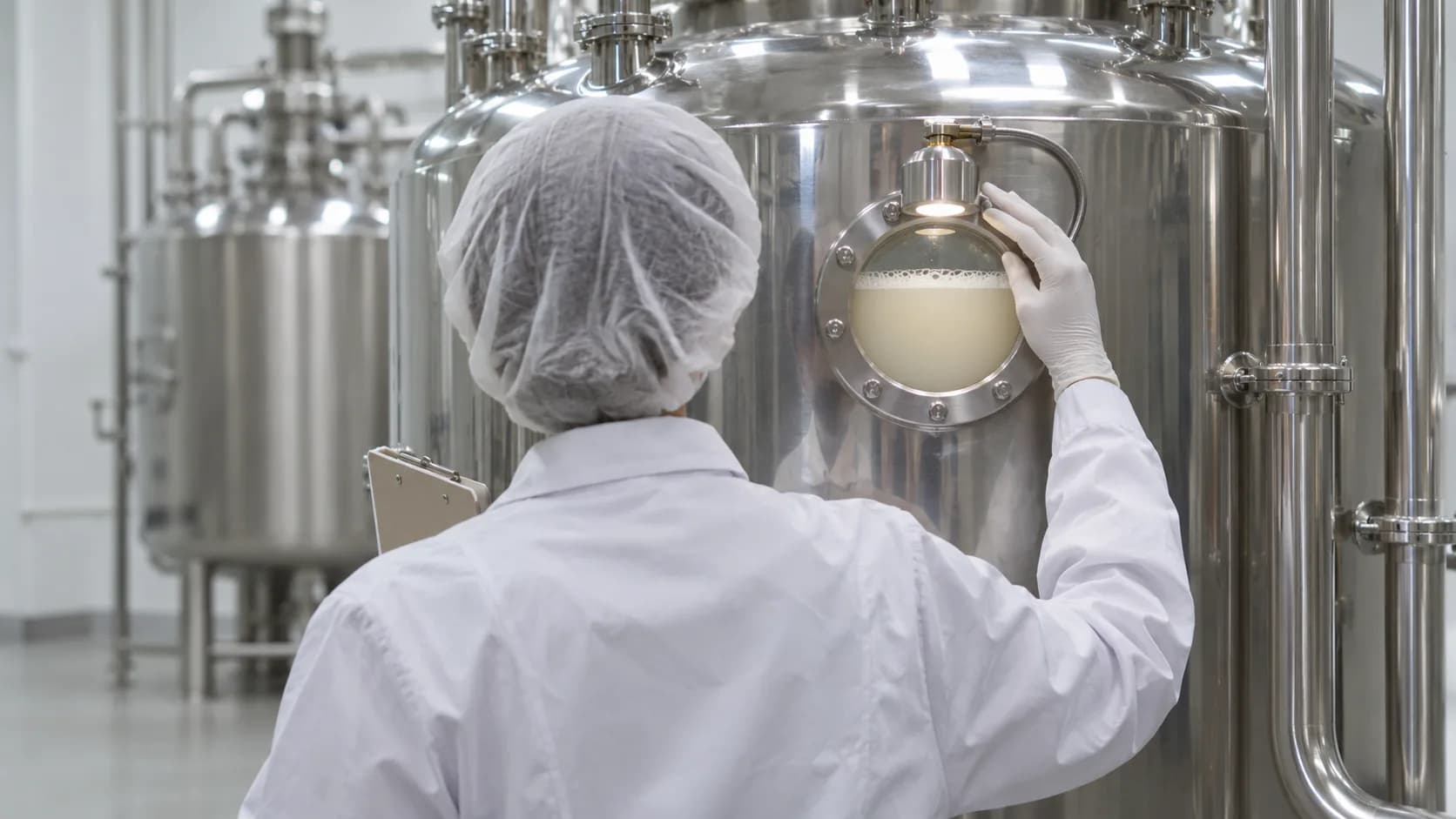
Fermentation-based production uses microorganisms or biological systems as part of the manufacturing process.
For ingredient buyers, this approach may offer a different way to manage production inputs and process conditions compared with conventional plant extraction.
The actual advantages depend on the specific production platform and process. Buyers should not assume that every fermentation-derived ingredient has the same characteristics.
Important questions include:
- What is the production organism or biological platform?
- What are the main fermentation inputs?
- How is the target compound produced and recovered?
- What purification steps are used?
- How are product identity and assay verified?
- What process and quality documents can the supplier provide?
The supplier should provide evidence for any claims about production efficiency, sustainability, consistency, or purity.
3. Key Differences Buyers Should Evaluate
|
Evaluation Area |
Botanical Extraction |
Fermentation-Based Production |
|---|---|---|
|
Starting Material |
Plant material |
Biological production system and process inputs |
|
Main Process Consideration |
Plant sourcing, extraction, purification |
Fermentation control, recovery, purification |
|
Raw Material Factors |
Botanical origin and variability |
Feedstock and production-system controls |
|
Quality Evaluation |
Finished-product identity, assay, and impurities |
Finished-product identity, assay, and impurities |
|
Documentation |
Botanical and process documentation |
Process and manufacturing documentation |
This comparison describes general manufacturing considerations. The details of a specific salidroside product must be confirmed with its manufacturer.
4. Does Fermentation Automatically Mean Better Quality?
No. A production route is not a substitute for quality evidence.
A fermentation-derived ingredient should still be evaluated for:
- Confirmed chemical identity
- Assay and purity
- Relevant impurities and residuals
- Batch consistency
- Appropriate analytical methods
- Manufacturing and quality documentation
The same principle applies to botanically extracted materials.
For buyers, the most useful approach is to compare actual product specifications and supporting documents rather than relying on production-route labels alone.
5. Questions to Ask a Salidroside Manufacturer
Before selecting a supplier, ask:
- What is the confirmed production route?
- Can the supplier explain the manufacturing process at an appropriate technical level?
- What is the source of the production inputs?
- What purification and quality-control steps are used?
- Which analytical methods confirm the final ingredient's identity and assay?
- Are batch-specific COAs and relevant supporting documents available?
These questions help establish whether the supplier's manufacturing approach fits your technical and sourcing requirements.
Conclusion
Botanical extraction and fermentation-based production represent different approaches to producing ingredients. Each has its own manufacturing considerations.
For salidroside buyers, the key is to understand the actual production process and verify the finished ingredient through reliable specifications, analytical results, and supplier documentation.
Contact Omni Ingredients to discuss your salidroside sourcing requirements and request available product specifications and manufacturing information.